In a world that’s becoming more digital every day, it’s easy to assume print doesn’t matter anymore. But that’s not really the case. If anything, physical marketing materials have become more valuable because they’re no longer everywhere.
Think about the last time you received a well-designed brochure or a premium business card. You probably noticed it. Maybe even kept it.
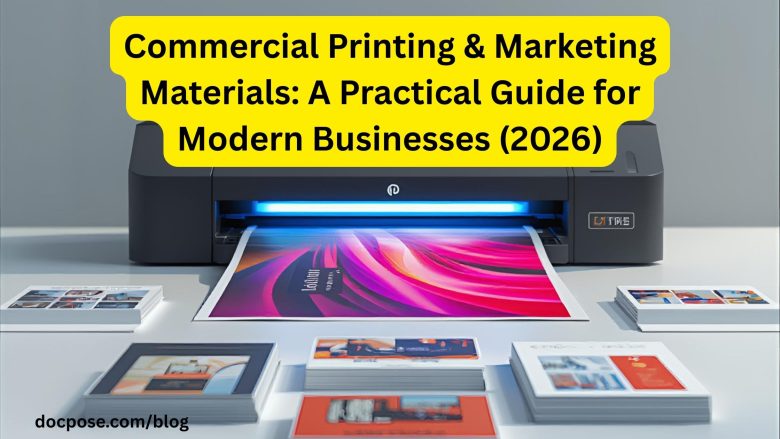
That’s exactly why many businesses still invest in print. Companies like Inkr Printing continue to play an important role here. They handle both small and large-format printing—business cards, brochures, banners, billboards, and booklets—and use modern printing technology to turn simple ideas into materials people actually pay attention to.
The goal isn’t just printing. It’s about using the right printing technology to create something that represents the brand properly and works in real-world marketing situations.
Why Print Still Works (Even Now)
Digital marketing is fast, scalable, and measurable. No doubt about that. But it’s also crowded.
Print, on the other hand, feels more personal.
- You can hold it
- You can revisit it without distractions
- It doesn’t disappear with a scroll
Thanks to advancements in printing technology, today’s printed materials are sharper, more durable, and more customizable than ever before. That makes print even more effective than it used to be.
Common Types of Marketing Materials (And When to Use Them)
Not every printed item serves the same purpose. Some are quick and simple, others are more detailed.
Business Cards
Still one of the most used tools out there. A good card says a lot without saying much.
Used for:
- Networking events
- Client meetings
- Quick brand recall
Modern printing technology allows for premium finishes like embossing, foil stamping, and textured paper that make business cards stand out.
Brochures & Flyers
These are useful when you need to explain something—not just show it.
Used for:
- Product or service overviews
- Local promotions
- Event handouts
With improved printing technology, even small runs can maintain high quality without increasing costs significantly.
Banners & Signage
These are more about visibility than detail.
Used for:
- Events
- Storefronts
- Exhibitions
Large-format printing technology ensures that visuals remain crisp and clear, even when viewed from a distance.
Billboards
Big, bold, and expensive—but powerful when done right.
Used for:
- Brand awareness
- Location-based marketing
- High-traffic exposure
Advanced printing technology now supports weather-resistant materials and vibrant colors that last longer outdoors.
Booklets & Catalogs
When you need to go deeper, this is where booklets come in.
Used for:
- Product catalogs
- Company profiles
- Presentations
High-end printing technology ensures consistency across multiple pages, which is critical for professional presentation.
Customization Makes the Difference
Generic designs rarely perform well anymore. People can tell when something feels “template-based.”
Customization doesn’t always mean complicated. It just means:
- Using your brand colors properly
- Keeping typography consistent
- Matching the tone of your business
Modern printing technology makes customization easier and more accessible, even for small businesses.
Small vs Large Format Printing (Quick Breakdown)
You don’t always need everything. Choosing the right format saves money and improves results.
Small Format:
- Business cards
- Flyers
- Brochures
- Booklets
Best when people will interact closely with the material.
Large Format:
- Banners
- Posters
- Billboards
Best when you need attention from a distance.
Both rely heavily on the right printing technology to ensure quality and consistency.
How Print Supports Your Overall Marketing
Print works best when it’s not isolated.
For example:
- A brochure can support your website
- A QR code can connect print to digital
- Event materials can drive online engagement
With smart use of printing technology, you can even blend offline and online experiences seamlessly.
Choosing the Right Printing Partner
This part matters more than most people expect.
A good printing partner doesn’t just “print files.” They understand printing technology, suggest improvements, and ensure quality stays consistent.
Things to look for:
- Reliable print quality
- Experience with different formats
- Flexibility in customization
- Clear communication and timelines
Mistakes in printing can be expensive, especially at scale.
Simple Tips That Actually Improve Results
You don’t need to overcomplicate things. A few basics go a long way:
- Keep your message clear
- Avoid cluttered designs
- Use readable fonts
- Focus on one main goal per material
- Always include a call-to-action
Even with the best printing technology, poor design will still fail—so balance both.
Where Printing is Headed
Printing isn’t going away—it’s evolving.
Some trends becoming more common:
- Eco-friendly materials
- Short-run, on-demand printing
- Personalized print campaigns
- Integration with digital tools (QR codes, AR, etc.)
All of this is powered by continuous innovation in printing technology.
Final Thoughts
Commercial printing is not outdated—it’s just more intentional now.
With the help of modern printing technology, businesses can create materials that:
- Build trust
- Improve brand perception
- Support marketing campaigns
- Create real-world engagement
The key is not to treat print as an afterthought. It should be part of your overall strategy, working alongside digital—not against it.